The ears play an important role in facial balance and appearance. Concerns such as prominent ears, stretched or torn earlobes, or changes caused by ageing, injury or jewellery can affect confidence and how you feel about your appearance.
At Umi Clinic, we offer specialist ear surgery procedures tailored to your individual concerns. Whether you are considering correction of prominent ears or repair of damaged earlobes, our approach is focused on achieving natural-looking results while preserving the character of your features.
Every procedure begins with a detailed consultation, allowing your surgeon to understand your goals, assess your anatomy and recommend the most appropriate treatment option.
Meet Your Cosmetic Surgeon
Choosing an experienced surgeon is an important part of your cosmetic surgery journey. At Umi Clinic, your consultation will provide the opportunity to discuss your concerns, understand your options and receive personalised advice based on your individual needs.
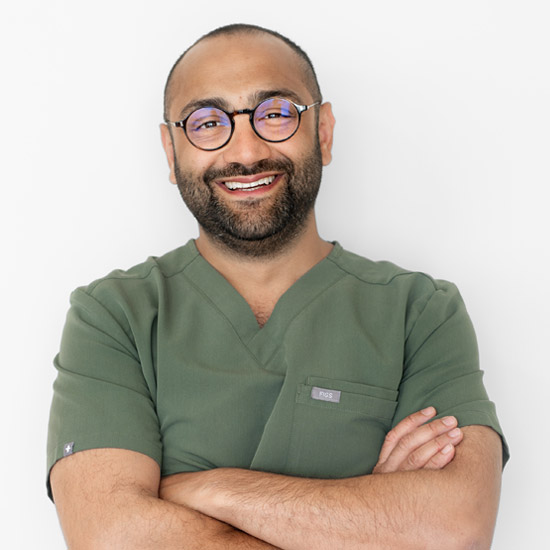
Mr. Samim Ghorbanian
Mr Samim Ghorbanian provides expert surgical assessment and treatment planning, with a focus on safe procedures, careful technique and natural-looking outcomes.
Meet Mr. Samim GhorbanianWhat Ear Surgery Can Treat
Ear surgery can address a range of concerns, including:
- Prominent or protruding ears
- Ear shape or symmetry concerns
- Stretched or enlarged earlobes
- Split or torn earlobes caused by earrings
- Changes following injury or trauma
- Age-related changes affecting the earlobes
Pinnaplasty (Ear Pinning)
Correct Prominent Ears and Improve Facial Balance
Pinnaplasty, also known as otoplasty or ear pinning, is a surgical procedure that reshapes and repositions prominent ears closer to the head.
The procedure aims to improve the position, shape and proportion of the ears while maintaining a natural appearance.
Pinnaplasty may involve:
- Reshaping the cartilage
- Reducing excessive prominence
- Improving symmetry
- Creating a more balanced relationship between the ears and face
The goal is not to create a completely different appearance, but to achieve ears that sit naturally in harmony with your features.
Earlobe Repair
Restore Damaged or Stretched Earlobes
Earlobe repair is a minor surgical procedure designed to correct damaged, stretched or split earlobes.
Common reasons patients seek treatment include:
- Torn earlobes from earrings
- Enlarged piercing holes
- Heavy jewellery stretching the earlobe
- Age-related thinning or elongation
The procedure carefully restores the shape and structure of the earlobe, allowing it to heal naturally.
Your Consultation at Umi Clinic
Your consultation is the first step in deciding whether ear surgery is right for you.
During your appointment, your surgeon will:
- Discuss your concerns and desired outcome
- Assess the structure and position of your ears
- Explain suitable treatment options
- Discuss expected results
- Explain recovery and aftercare
- Answer any questions you may have
We believe cosmetic surgery should always be based on realistic expectations and informed decisions.
Arrange Your Ear Surgery ConsultationRecovery After Ear Surgery
Recovery varies depending on the procedure performed.
Following surgery, patients may experience:
- Mild swelling and bruising
- Temporary tenderness
- The need to protect the ears during healing
- Gradual improvement as tissues settle
Your surgeon will provide detailed aftercare instructions, including when you can return to normal activities.
Ear Surgery FAQs
Any surgical procedure creates a scar; however, incisions are carefully positioned in natural creases or behind the ear where possible to make them as discreet as possible.
Most patients experience mild discomfort following surgery, which can usually be managed with appropriate pain relief.
Ear surgery provides long-lasting results. Once healed, the changes are generally permanent.
Yes. Although often associated with childhood surgery, many adults choose pinnaplasty to address concerns that have affected their confidence for many years.
Recovery depends on the procedure and your occupation, but many patients return to normal activities within one to two weeks.