Scars are a natural part of the healing process, but some scars can become raised, thickened, uncomfortable or more noticeable than expected. Whether caused by surgery, injury, trauma, inflammation or skin changes, scars can sometimes affect confidence, comfort or movement.
At Umi Clinic, we provide a comprehensive approach to scar management, offering both surgical and non-surgical treatment options tailored to your individual concern.
Meet Your Specialists
Our aim is to improve the appearance, texture and symptoms associated with scars while achieving results that are appropriate for your skin and your goals. Every patient begins with a detailed consultation to assess the scar, discuss your concerns and create a personalised treatment plan.
Scar treatment requires careful assessment because every scar behaves differently. The most appropriate treatment depends on the type of scar, its location, age, symptoms and your desired outcome.
At Umi Clinic, we offer a range of treatment options delivered by experienced clinicians.
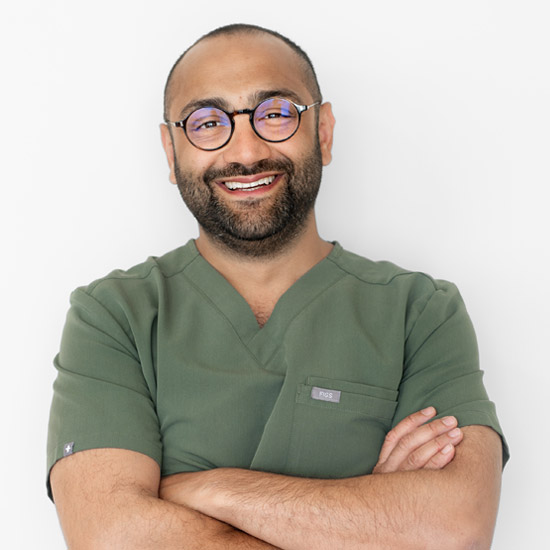
Mr. Samim Ghorbanian
Mr Samim Ghorbanian provides specialist surgical assessment and treatment planning for patients who may benefit from scar revision or soft tissue surgery.
His approach focuses on careful surgical technique, improving function where needed and achieving the best possible aesthetic outcome.
Meet Mr. Samim Ghorbanian
Dr. Priya Udani
Dr. Priya Udani provides assessment and non-surgical treatment planning for suitable scar concerns using advanced skin technologies, including Alma Harmony® laser treatments.
She takes a personalised approach, selecting treatments based on scar type, skin characteristics and the desired outcome.
Meet Dr. Priya UdaniWhat Scar Concerns Can We Treat?
We assess and treat a range of scar concerns, including:
Raised Scars and Keloids
Some scars continue to grow beyond the original wound area and may become raised, firm, itchy or uncomfortable.
These may include:
- Hypertrophic scars
- Keloid scars
- Thickened surgical scars
- Raised scars following injury or trauma
These scars often require specific treatment rather than simply waiting for them to settle.
Surgical and Injury Scars
Scars can develop following:
- Previous surgery
- Accidents or trauma
- Skin procedures
- Burns or injuries
Some scars may become tight, noticeable or affect movement depending on their location.
Soft Tissue Concerns
Some patients seek assessment for changes affecting the skin and soft tissues, including:
- Localised areas of thickened tissue
- Changes following injury
- Areas of altered texture or appearance
- Other soft tissue concerns requiring specialist assessment
Your consultation will determine the most appropriate approach.
Scar Treatment Options at Umi Clinic
Following assessment, your treatment plan may include one or a combination of the following options.
Steroid Injections for Raised Scars and Keloids
Reduce Scar Thickness, Firmness and Symptoms
Steroid injections, also known as intralesional corticosteroid injections, are commonly used to treat raised scars and keloids.
They work by reducing inflammation and slowing excessive scar tissue formation, helping the scar become flatter, softer and less symptomatic.
Steroid injections may help improve:
- Raised or thickened scars
- Scar firmness
- Itching
- Tenderness or discomfort
- Redness and inflammation
Treatment is tailored to the individual scar, and several sessions may be required depending on your response.
During consultation, we will assess whether steroid injections are suitable for your scar and discuss expected outcomes.
Book Your Scar AssessmentSurgical Scar Revision with Mr Samim Ghorbanian
Improve Scar Appearance and Function
For selected scars, surgical scar revision may provide the best improvement.
Scar revision involves carefully removing or reshaping scar tissue and reconstructing the area to create a more favourable healing environment.
This may be considered for scars that are:
- Raised or irregular
- Tight or restricting movement
- Causing discomfort
- Noticeably affecting appearance
Potential benefits may include:
- Improved scar contour
- Better alignment with surrounding skin
- Reduced tightness
- Improved appearance
Your surgeon will discuss whether scar revision is appropriate based on your individual circumstances.
Meet Mr Samim GhorbanianAlma Harmony® Laser Scar Treatment
Advanced Non-Surgical Scar Improvement
For suitable scars, Alma Harmony® laser technology provides a non-surgical option to improve scar appearance and skin quality.
Laser treatment can be tailored according to your scar type, skin characteristics and treatment goals.
Depending on the scar, Alma Harmony® treatments may help improve:
- Redness associated with scars
- Uneven skin texture
- Pigmentation changes
- Overall scar appearance
Benefits may include:
- No surgical incision
- Minimal downtime
- Personalised treatment plans
- Gradual improvement over a course of treatments
Not every scar is suitable for laser treatment. A consultation is essential to determine whether this approach is appropriate.
Explore Alma Harmony® Laser TreatmentsCombining Treatments for Best Results
Some scars respond best to a combination approach.
Depending on your individual scar, treatment may involve:
- Steroid injections to reduce raised scar tissue
- Alma Harmony® laser to improve colour and texture
- Surgical revision where appropriate
- Ongoing scar management advice
Your clinician will recommend the most suitable plan based on your scar characteristics and goals.
Your Consultation at Umi Clinic
Your consultation allows us to understand your concerns and recommend the most appropriate treatment options.
During your appointment, we will:
- Examine your scar or soft tissue concern
- Discuss your symptoms and goals
- Assess the scar type and severity
- Explain suitable treatment options
- Discuss expected outcomes and recovery
- Answer any questions you may have
Our priority is providing clear advice and recommending the right treatment for you.
BOOK YOUR SCAR ASSESSMENTSCAR TREATMENT & SOFT TISSUE FAQs
No treatment can completely erase a scar, but appropriate treatment can often improve its appearance, texture, colour and symptoms.
Treatment depends on the individual scar. Options may include steroid injections, laser treatments, surgical approaches or a combination of treatments.
Most patients tolerate treatment well. The procedure is usually quick, and your clinician will explain what to expect.
The number of treatments depends on the scar type, severity and your response. A personalised plan will be recommended following assessment.
Yes. While earlier treatment may sometimes be beneficial, many older scars can still be improved with appropriate treatment.